














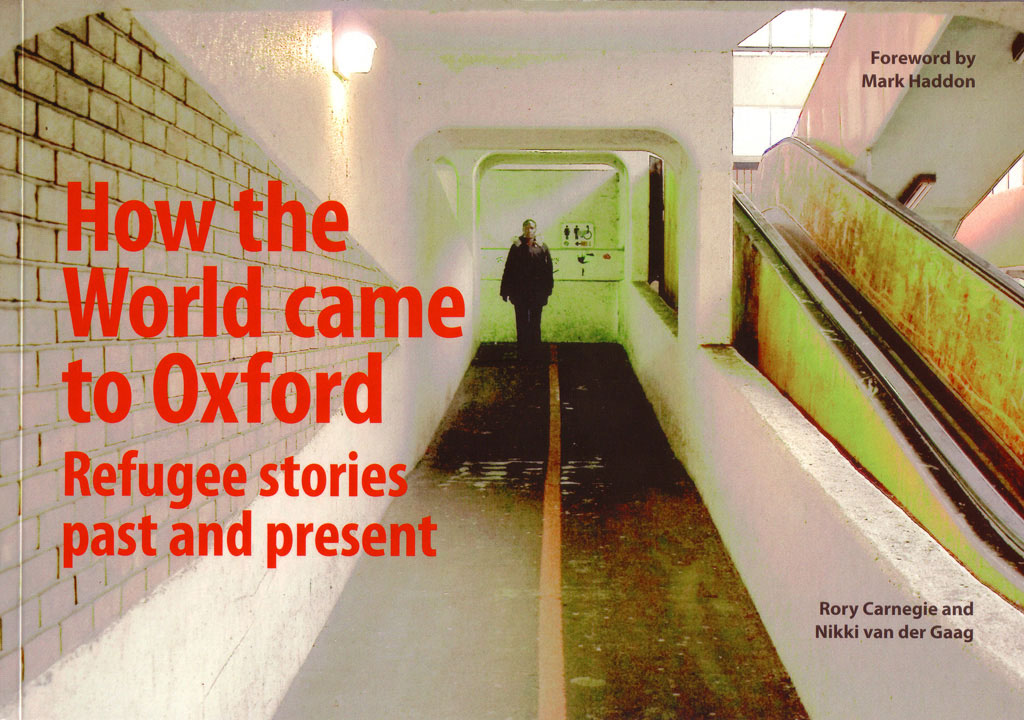
Being an introduction to a book of rather wonderful photographs of refugees, How the World came to Oxford, taken by Rory Carnegie, together with their testimonies gathered and edited by Nikki van der Gaag, which was published by the Oxford Literary Festival.
I first saw Rory Carnegie’s photographs of young asylum seekers a couple of years ago at Modern Art Oxford. I have no memory of the rest of the exhibition, but those six photographs have been floating around the back of my mind ever since.
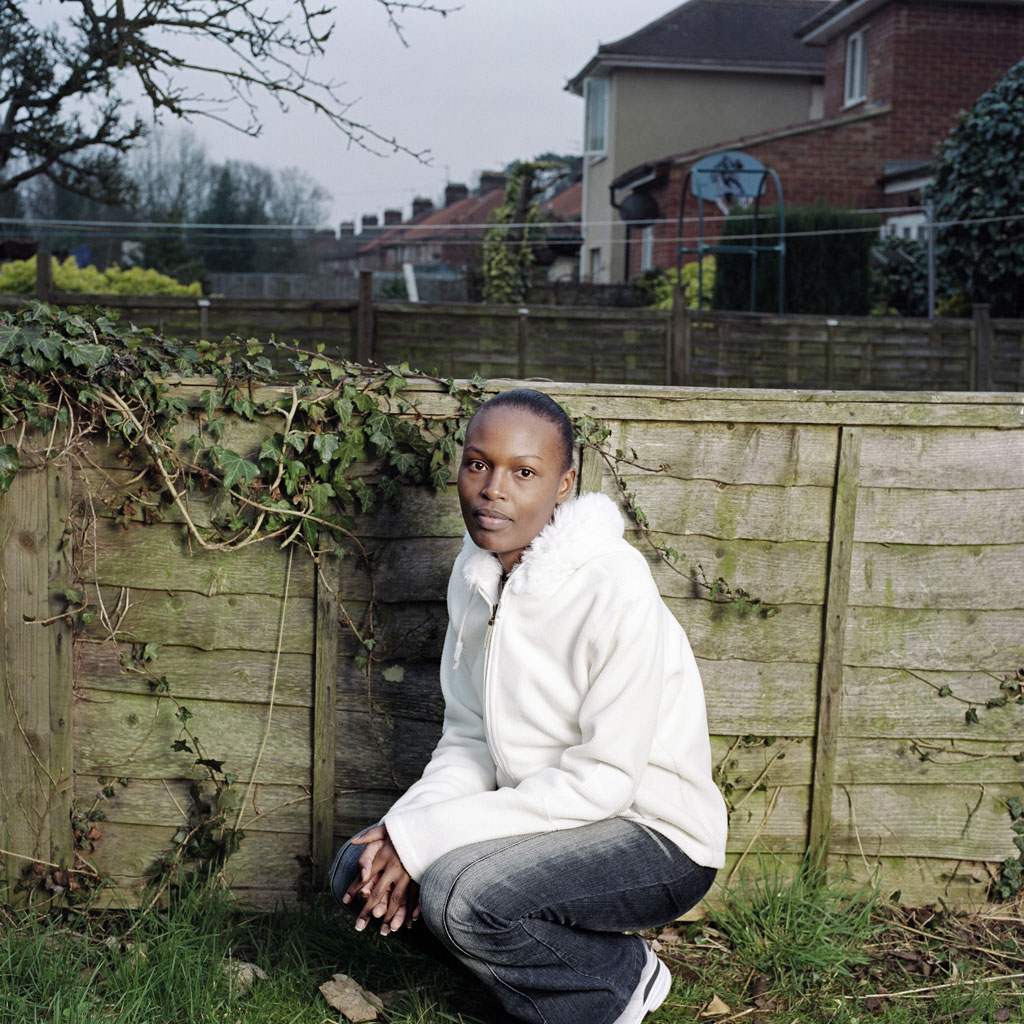
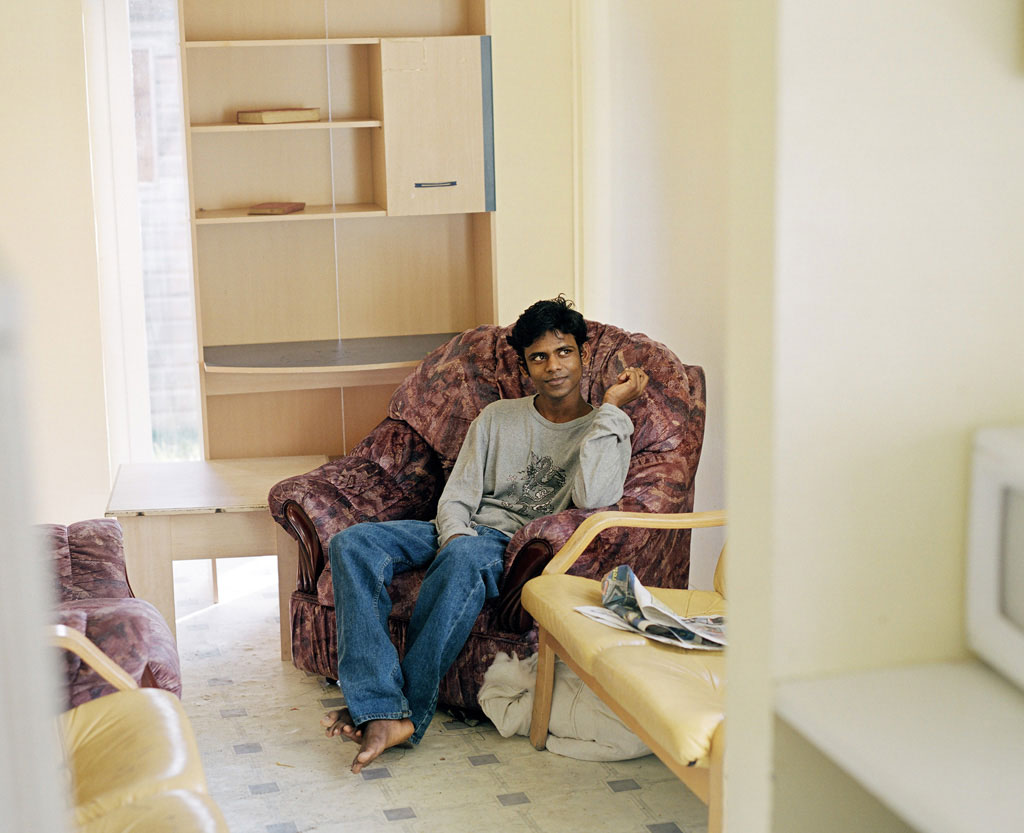
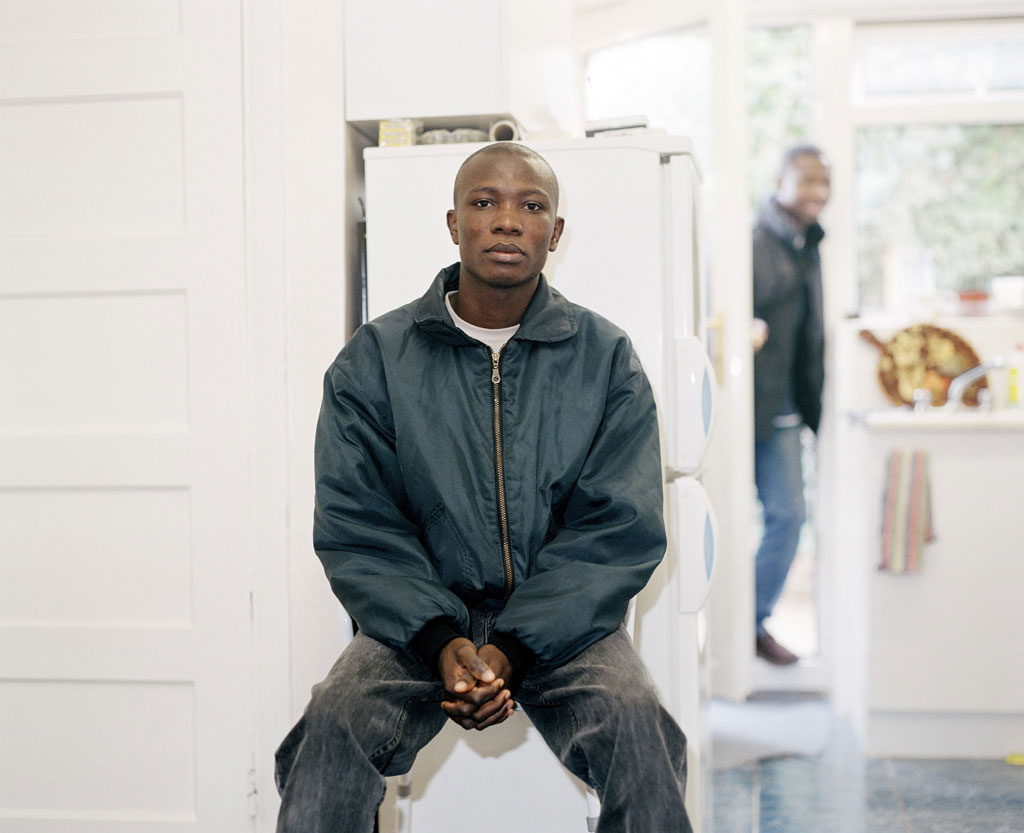
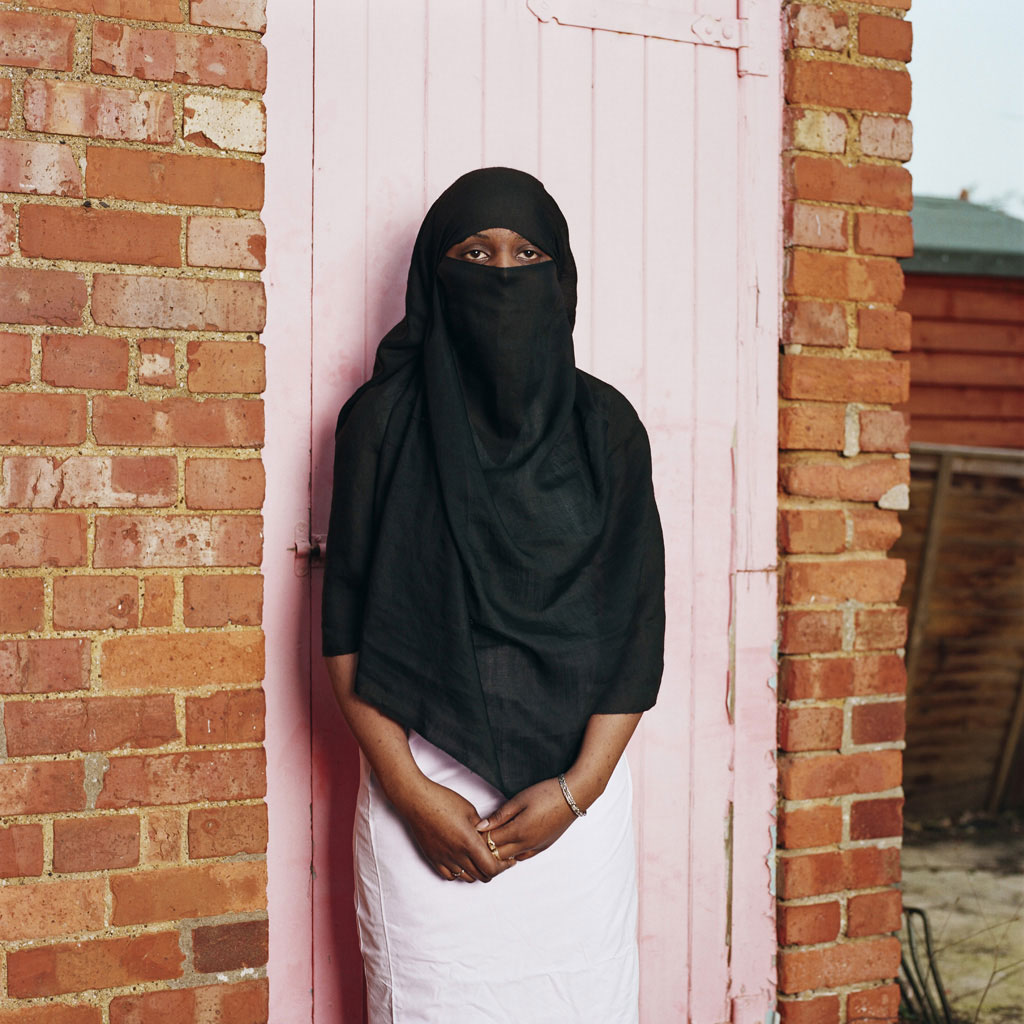
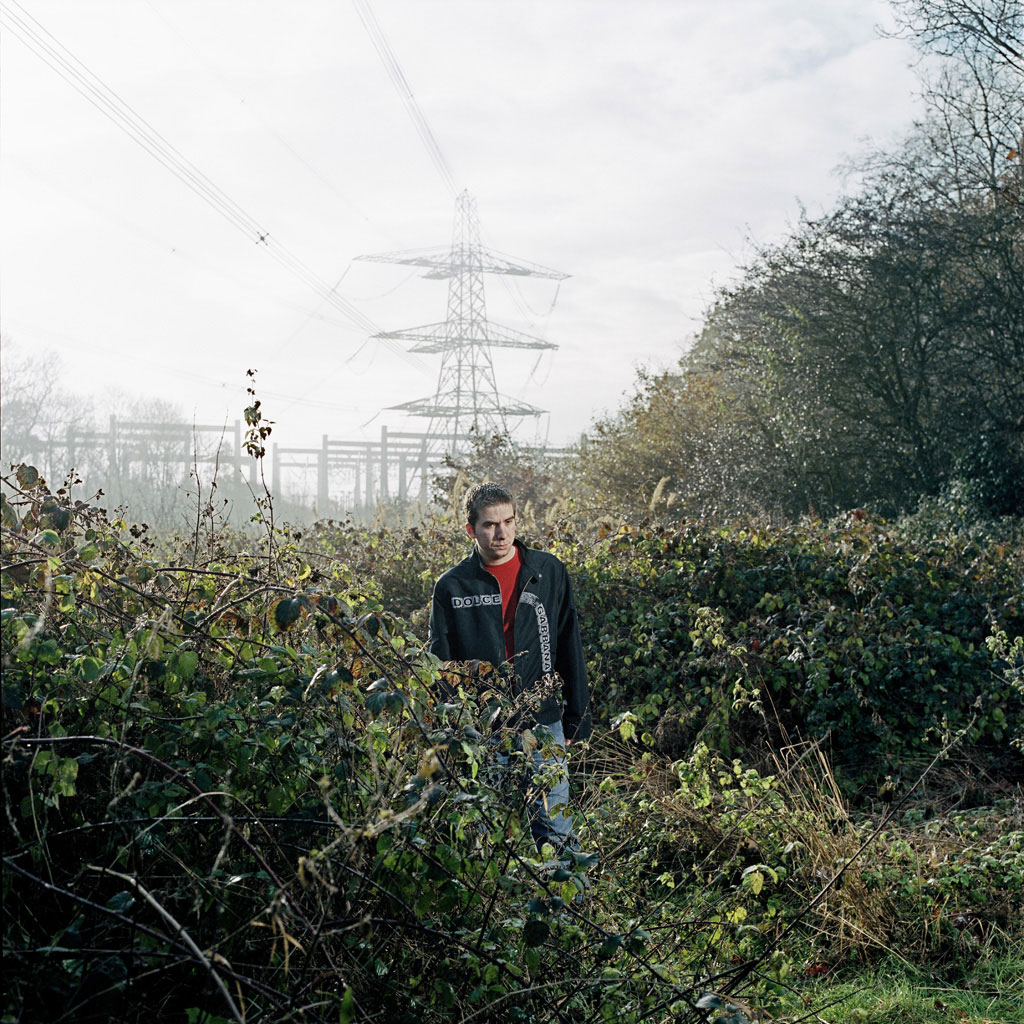
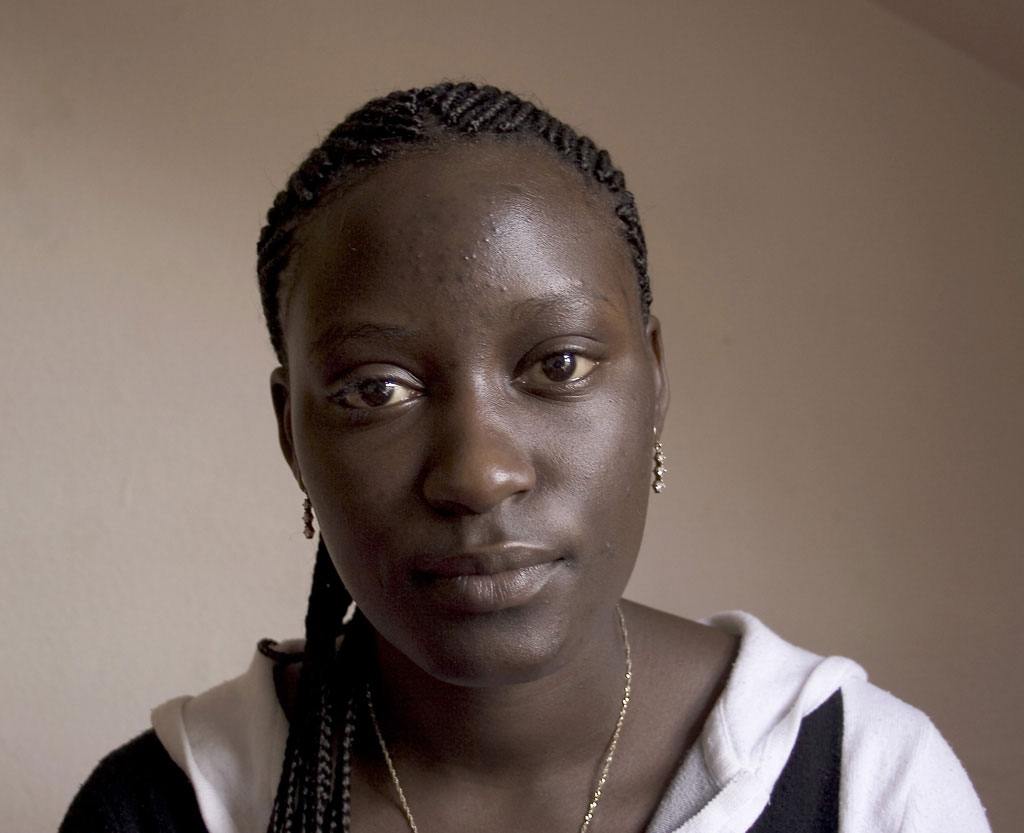
They’re included here (Albert, Amina, Behar, Daphne, Florence and Vassan) and you can probably see why I’ve found them difficult to forget.
It’s due, in part, to the way Rory photographed them. But, more importantly, it’s due to the way they look back at him. And at us.
They’re self-possessed, yet vulnerable at the same time. They sit in empty rooms, or stand in featureless gardens where nothing happens, but the threat of something hangs in the air.
You can see what I mean when you compare them with the pictures of some of the older people in this book. Mohammed Bushara, for example, or Annelie Rookwood. Time has slowed down in these photographs. The rooms are full of objects. These are people at home with themselves and with the world around them.
When you read the stories they have told to Nikki van der Gaag you begin to understand why the photographs are so powerful.
Becoming an asylum seeker is not something that happens to people by accident. We talk of people being forced to flee persecution in their home countries. But the brutal truth is that no-one is forced to flee. Fleeing is what you do if you have the guts to leave. Most people stay and hope for the best. But the best rarely happens. If they’re lucky, they lie awake at night waiting for the knock on the door. If they’re unlucky they’re killed, or tortured, or thrown into prison.
That’s the self-possession you can see in these faces. These are people who had the strength to do something most people are incapable of doing, leaving everything behind and starting their lives all over again in a country that often makes this very difficult indeed.
Read the testimonies and you will understand the vulnerability, too. Many of these people have seen their families, friends and neighbours killed. And many of them are still running.
Look how empty these houses are, and how few possessions these people have. A book. A football. A flag. A patterned throw. These are people who are fearful of putting down roots in case they have to move on again at a moment’s notice.
See how much more at ease everyone is inside their house, but how they still keep the curtains closed so that no-one knows they are in there.
Then notice how these things change as the years pass, as people get older, as they turn from asylum seekers into refugees, and from refugees into people who no longer think of themselves as refugees.
For this is the heart of the book.
Most people are wary of strangers. Tabloid newspapers have always sought to whip that wariness into fear. And governments, in turn, have always used that fear to win votes.
But time does its usual work. Wariness fades, newspapers get bored and it takes a great deal of effort to carrying on being frightened of something that offers no threat.
In fifty years’ time, it will be unremarkable to have a grandmother who escaped from Rwanda or the former Yugoslavia. Just as it is unremarkable now to have a grandfather who escaped from Nazi Germany.
And this has always been true. If you think you have no refuges in your family it is because you have not looked hard enough, or because the records have not been kept.
This is not a book about how refugees are human beings just like the rest of us. Most of them have had experiences the rest of us cannot even begin to comprehend.
It is a book about how some extraordinary people become an important part of who we all are.
Albert and Amina
Behar and Daphne
Florence and Vassan